
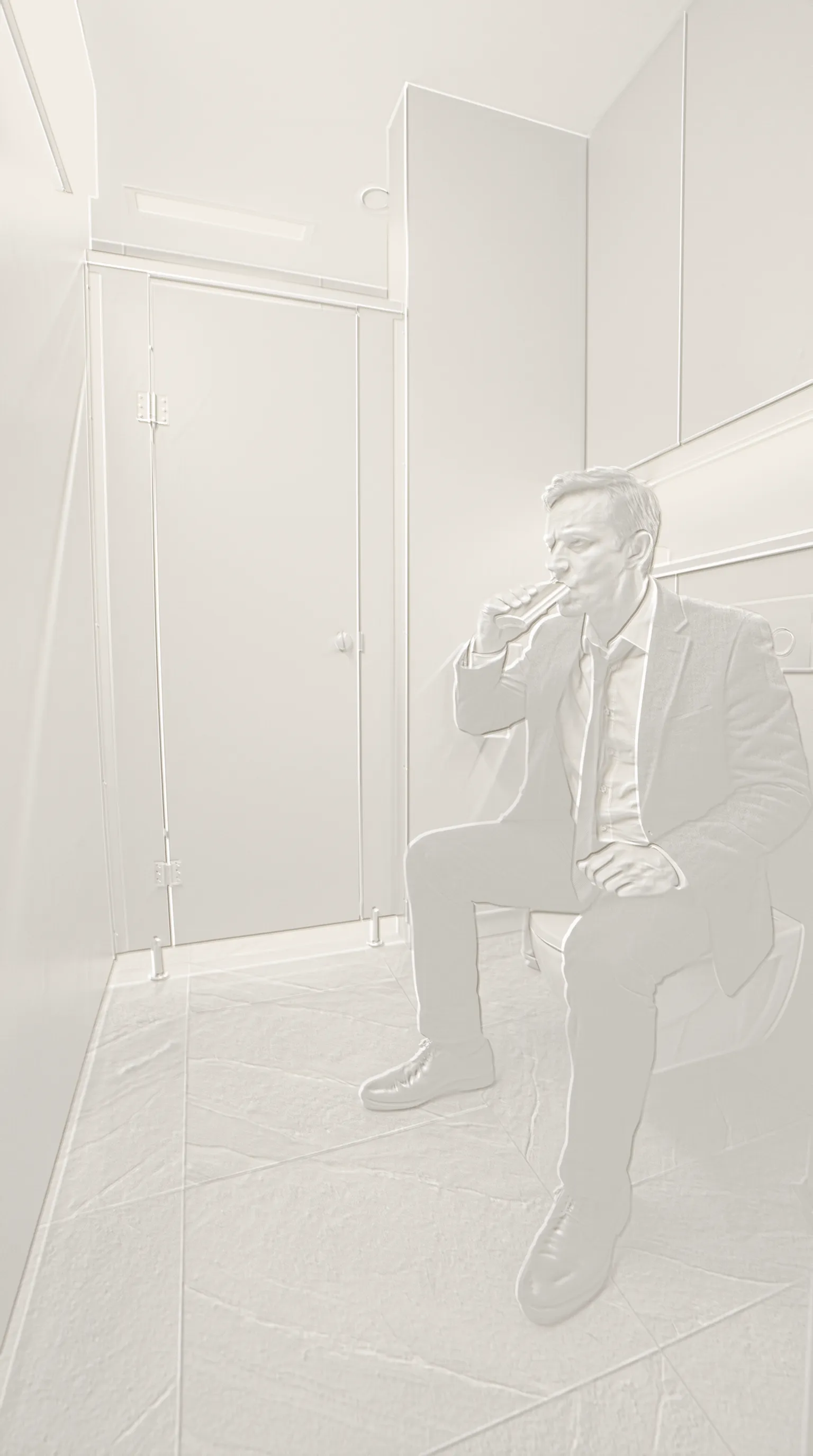
Life can still look intact. While something is getting harder to stop.
Alcohol, drugs and compulsive behaviours can become difficult to change even while work, relationships and daily life still appear intact.
Addiction is not defined only by how often you drink, use a substance or repeat a behaviour. What matters is the pattern: how much control you have, what happens when you try to change it, the role it has come to play, and the effect it is having on the rest of your life.
Some people come to therapy with dependence or repeated relapse. Others are still functioning well in many areas while hiding, minimising or becoming increasingly concerned about something that feels harder to control. You do not need to know whether the word “addiction” fits before asking for help.
It gives you something when you need it. Then it starts taking more than it gives.
A substance or behaviour can change the moment quickly. It may bring relief, escape, stimulation, confidence, numbness or reward. That short-term effect can reinforce the pattern even when it is becoming harder to control and the consequences are growing.

When the pressure hits, the promise of relief pulls you back in.
Stress, loneliness, boredom, shame, craving, opportunity or another trigger can create a strong pull towards what has worked before.
If the trigger is still there, the familiar response may become easier to reach for the next time.
For a moment, it does exactly what you need it to do.
Relief, escape, stimulation, confidence, numbness or reward can arrive quickly.
That immediate payoff can reinforce the behaviour, even when another part of you already wants the pattern to change.
Then the rest of your life starts paying for it.
Attention narrows towards the next chance to drink, use, gamble or repeat the behaviour.
Health, relationships, work, finances, sleep or everyday life can begin to absorb the consequences.
You feel worse about it. Then feeling worse gives you another reason to do it.
Shame, stress, conflict or financial pressure can increase afterwards.
That added pressure can feed the next urge. Understanding the harm does not always make the pattern easy to interrupt.
What happens afterwards can become part of what drives what happens next.
The urge can feel like the decision has already been made. Therapy is about putting choice back into that moment.
By the time an urge becomes intense, the familiar response can feel almost automatic. Therapy also looks at what happens earlier: what sets the pattern in motion, what the substance or behaviour changes for you in the moment, and what keeps drawing you back to it.
The aim is not to pretend urges disappear. It is to recognise the sequence earlier, create more ways of responding, and prepare for the moments when change becomes difficult.
The pattern often moves quickly. Therapy helps slow it down enough to see where something different can happen.
Pressure can build until relief starts to feel urgent.
Stress, shame, loneliness, conflict, boredom, opportunity or difficult feelings can begin the sequence before you consciously decide to do anything. Therapy helps make those moments easier to recognise earlier.
The urge makes the familiar answer hard to ignore.
Craving can pull attention towards whatever has brought relief, escape, stimulation or reward before. Therapy helps create time, distance and other ways of responding when that pull becomes strong.
You reach for what has worked before.
The drink, substance, bet or behaviour may have become a well-practised route out of the moment. Therapy looks for where that sequence can be slowed, interrupted or made less automatic.
The relief is real. That is why the loop survives.
The immediate shift may bring numbness, escape, confidence, stimulation or reward. Even when the longer-term costs are growing, that short-term effect can reinforce the same route back to relief.
Seeing the sequence clearly creates more places where something different can happen.
You do not need to fit somebody else's picture of addiction. What matters is what the pattern is doing to your life.
Some people come to therapy with dependence or repeated relapse. Others are functioning well in many areas while hiding, minimising or becoming increasingly concerned about something that feels harder to control.
We do not need to force every difficult-to-control behaviour into an addiction label before taking the problem seriously.
SUBSTANCE USE & DEPENDENCE
The substance matters. The pattern matters more.
Drinking that has become risky, increasingly difficult to control, tied to repeated consequences or part of a pattern of dependence or relapse.
Stimulant use that is becoming harder to control, increasingly central to everyday life or connected with repeated personal, relationship, work or financial consequences.
Difficulties involving heroin, prescription opioids, dependence, repeated attempts to stop or a pattern of relapse and return to use.
Use that feels difficult to reduce or has begun interfering with mood, motivation, relationships, work, sleep or everyday functioning.
Benzodiazepines and other sedating medication where use, dependence, attempts to reduce or concerns about control have become significant.
Cigarettes, vaping and other nicotine use where dependence, routines, emotional associations, repeated attempts to stop or relapse are part of the pattern.
Other substances and polysubstance use are considered according to the actual pattern, function, consequences and risks involved.
DIFFICULT-TO-CONTROL BEHAVIOURS
Not every compulsive pattern needs an addiction label.
Sports betting, casinos, online gambling or gambling-like financial speculation involving urges, chasing losses, secrecy, debt or financial harm.
Gaming becomes a clinical concern when control is impaired, it takes priority over important parts of life and continues despite significant consequences.
Pornography use that feels repetitive, difficult to control, increasingly secretive or inconsistent with your relationships, values or the life you want to be living.
Repetitive sexual behaviour that feels difficult to control or is creating distress, secrecy, risk, relationship difficulties or consequences.
Buying or spending that has become a repeated source of reward, escape or emotional relief, despite growing financial or personal costs.
Checking, scrolling or online activity that feels difficult to control and is interfering with sleep, work, relationships, mood or everyday functioning.
Work that has become tied to self-worth, avoidance, perfectionism or difficulty tolerating rest, despite the impact on wellbeing or relationships.
Exercise that has become rigid or difficult to reduce despite injury, exhaustion or other consequences, particularly where anxiety, perfectionism or body image may also be involved.
You do not have to wait for everything to fall apart. You can start while there is still something to protect.
You do not need to know whether the word “addiction” fits before getting in touch. If a substance or behaviour is becoming harder to control, returning despite attempts to change, or taking more of your life than you want it to, that is enough to start looking at what is happening.
The first step is not committing to a particular recovery model. It is understanding the pattern, the risks, your goals and what kind of help makes sense.
You do not need a perfect recovery plan before you begin.
Some people want to stop completely. Others want to reduce harm, understand why the pattern keeps returning, or work out what they are ready to change. Those goals can be discussed openly rather than assumed in advance.
Sometimes psychotherapy is one part of the help you need.
Dependence, withdrawal risk, overdose risk or significant psychiatric or medical concerns can require additional specialist or medical care. Responsible treatment includes recognising when psychotherapy should sit alongside that support rather than trying to replace it.
The therapist should fit the problem, not just have space in the diary.
Addiction and compulsive behaviour can involve relapse, risk, trauma, shame, relationships and other mental health difficulties. We consider the presenting problem, complexity and the practitioner's relevant training, experience and professional scope before the work begins.
You bring what has been happening. We can work out what kind of help fits.
An initial appointment gives us a chance to understand the pattern, what you want to change and whether psychotherapy is the right place to begin.
From there, we can consider the type of psychotherapy, specialist expertise and any additional support that may be appropriate.
Resilience provides online psychotherapy. We do not provide medical detoxification or emergency care. Where another level or type of care is required, this should form part of the treatment decision.